

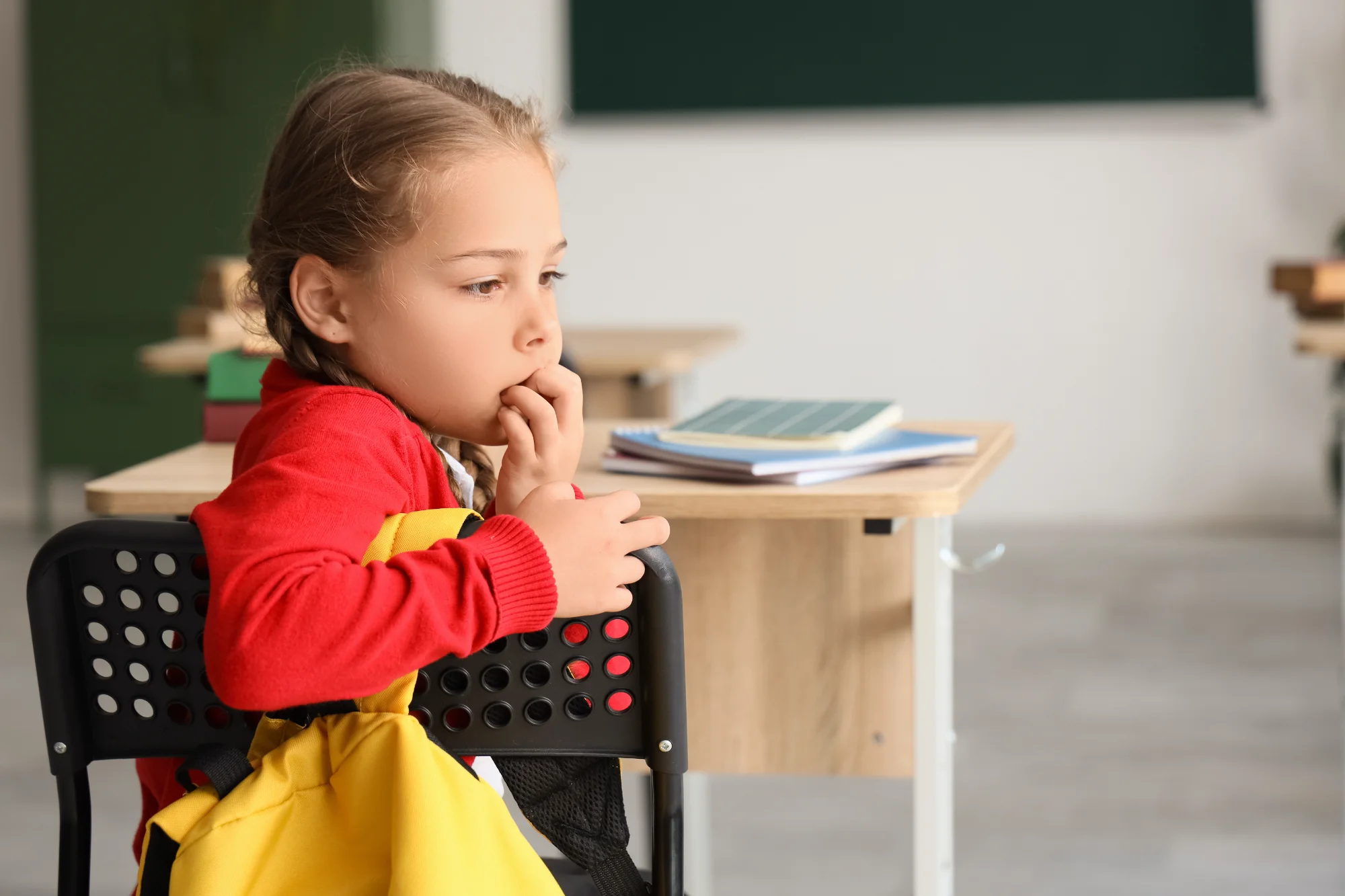
What Kids Learn When They’re Afraid to Try
Children are natural learners.
They explore. They experiment. They test boundaries. They ask questions. They move toward curiosity without being told to.
Until something changes.
Until trying begins to feel risky.
When Effort Feels Like Exposure
When children are afraid to try, it’s rarely because they don’t care.
More often, it’s because they care deeply and have learned that effort can come with consequences.
Being watched.
Being compared.
Being corrected publicly.
Being labeled.
In those moments, effort stops feeling connected to growth and starts feeling connected to exposure.
Children adapt quickly to environments that feel emotionally unsafe. Some become quieter. Others stop volunteering. Some begin avoiding situations where mistakes might be visible to other people.
From the outside, it can look like disengagement.
From the inside, it is often an attempt to avoid embarrassment, judgment, or failure.
The Quiet Lessons Children Absorb
Children are always learning, even when no one is intentionally teaching.
When trying feels risky, they begin absorbing different kinds of lessons:
- It’s safer not to raise your hand.
- It’s better not to stand out.
- Mistakes should be avoided.
Those lessons rarely stay contained to one classroom or one activity.
A child who hesitates in one setting often carries that hesitation into others, into academics, friendships, group situations, and anything unfamiliar.
Fear does not expand learning.
It narrows it.
Research around learning and growth mindset has consistently shown that children are more willing to persist when mistakes are treated as part of the learning process rather than evidence of failure. Environments shaped by fear, embarrassment, or excessive judgment tend to increase avoidance and reduce willingness to take learning risks. Children begin focusing less on exploration and more on protecting themselves from failure.
The Difference Between Challenge and Threat
There is an important difference between challenge and threat.
Challenge invites effort. Threat demands protection.
Children can move toward difficulty when they feel supported. They pull away when they feel exposed.
The same activity can feel completely different depending on the environment surrounding it and the adults guiding it.
When children trust that mistakes will be met with patience, they lean in.
When they expect judgment, they hold back.
This is not weakness. It is adaptation.
Children are remarkably aware of emotional environments. They notice tone of voice, reactions, comparison, impatience, and subtle signals from adults and peers. Many children begin adjusting their behavior long before adults realize anything has changed.
Some stop participating openly. Others become perfectionistic and fearful of mistakes. Some avoid challenges altogether because not trying feels safer than trying and failing publicly.
Why Playing Small Becomes a Pattern
When avoiding risk prevents embarrassment or discomfort, children begin relying on it.
They learn how to stay unnoticed.
They learn how to do just enough.
They learn how to avoid situations that might reveal struggle.
Patterns repeated long enough begin shaping identity.
Not because children lack ability, but because they begin associating visibility with risk.
This is one reason emotionally safe learning environments matter so deeply during childhood. The goal is not to remove challenge. Children need challenge. They need opportunities to struggle, adjust, and improve.
But challenge and humiliation are not the same thing.
One builds resilience. The other teaches avoidance.
What Children Need in Order to Keep Trying
Children do not need pressure in order to grow.
They need environments where effort can exist without humiliation.
They need room to struggle without feeling defined by it.
They need opportunities to try again.
When effort is acknowledged, even imperfectly, children remain engaged. They begin developing confidence rooted in experience rather than performance.
Confidence grows quietly.
It develops through repetition, recovery, and the realization that mistakes are survivable.
This is one reason skill-based learning environments can be so powerful for children. When progress is visible and mistakes are treated as part of the process, children begin experiencing themselves differently. They stop seeing struggle as proof they are incapable and begin understanding that improvement is something they can participate in.
That understanding changes more than performance.
It changes willingness.
When Trying Feels Safe Again
When children feel emotionally safe enough to try, small changes begin appearing everywhere.
They take more initiative.
They stay with difficult tasks longer.
They recover more quickly from mistakes.
Trying becomes something they do for themselves instead of something performed for approval.
That shift matters.
Because children who learn that effort is worthwhile carry that understanding into school, relationships, and eventually adulthood.
Children who trust the learning process become more willing to approach unfamiliar situations. They become more comfortable asking questions, attempting difficult things, and staying with discomfort long enough to improve.
Not perfectly.
But willingly.
And willingness is often where growth begins.
The Lesson That Lasts
Children rarely stop trying because they are incapable.
More often, they stop because somewhere along the way, trying stopped feeling safe.
When adults create environments where effort is protected rather than exposed, children rediscover something important.
They learn that growth is possible.
They learn that mistakes are survivable.
They learn that effort can lead somewhere.
And those lessons often last far beyond childhood.