

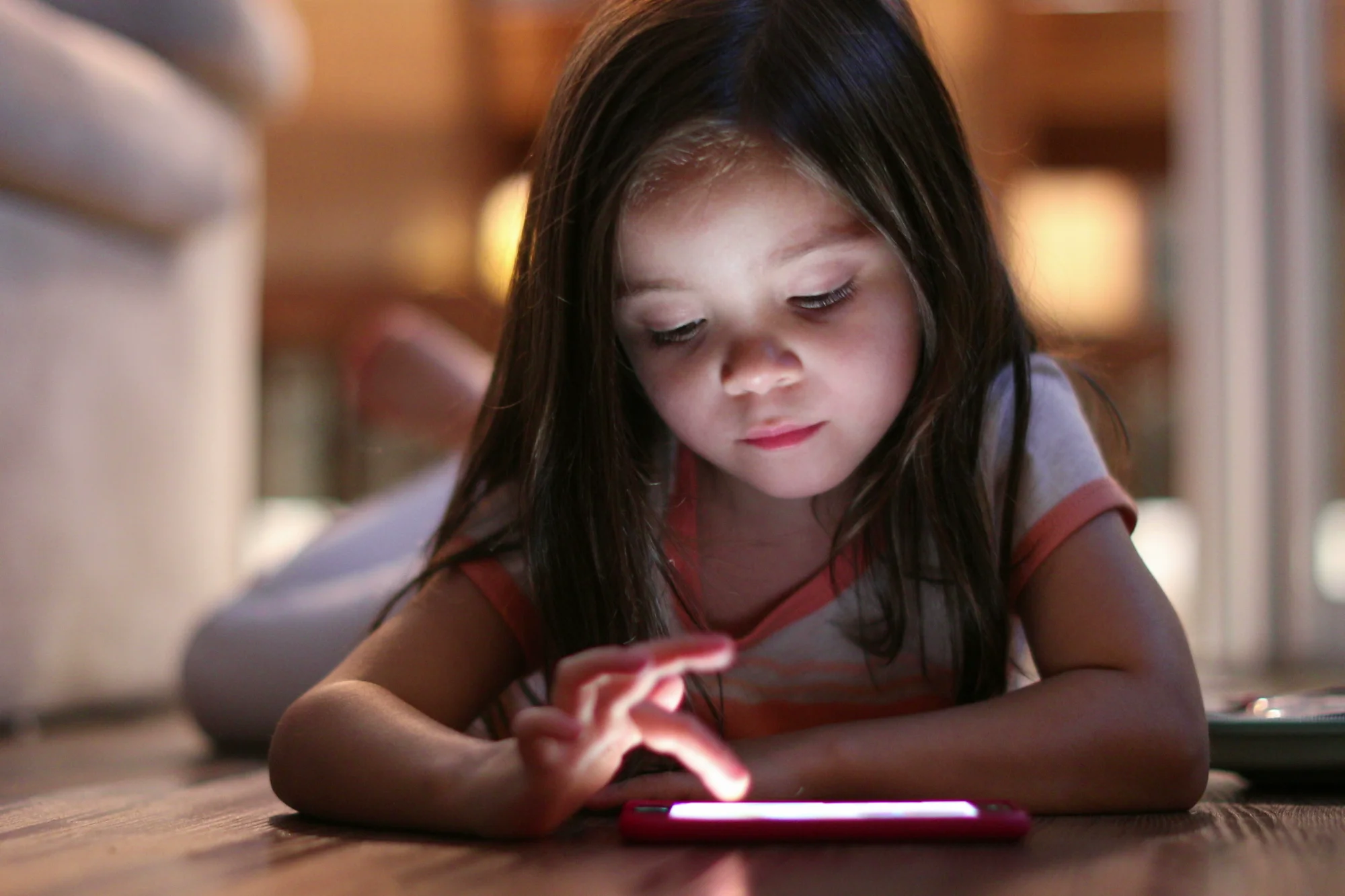
What Matters More Than Screen Time
Few topics generate more discussion among parents today than screen time.
Articles warn about rising anxiety, declining attention spans, sleep disruption, and the growing influence of social media. Researchers continue to examine the relationship between technology use and children’s well-being, while parents are often left wondering how concerned they should be.
The conversation can quickly become overwhelming. Some voices argue that screens are harming an entire generation. Others point to the educational opportunities technology provides and suggest concerns are overblown. Between these positions, many parents are left searching for practical guidance.
One of the most interesting developments in recent research is that scientists are beginning to ask a more nuanced question.
Rather than focusing only on how much time children spend on screens, some researchers are becoming increasingly interested in what children are actually doing while they are there. That distinction may matter more than many people realize.
The Problem With Treating All Screen Time Equally
Imagine two children each spending two hours on a screen.
One child spends that time creating digital artwork, learning to code, participating in an online class, or researching a topic that has captured their interest. Another spends the same amount of time scrolling through an endless stream of short videos selected by an algorithm designed to keep them engaged for as long as possible.
For many years, discussions about technology often focused primarily on total hours. While time remains important, researchers are increasingly recognizing that different forms of screen use may influence children in different ways.
The question is becoming more sophisticated.
Not simply:
“How much screen time?”
But:
“What kind of screen time?”
Looking Beyond the Screen
This distinction reflects a broader truth about childhood.
When children read a book, build a fort, learn an instrument, create artwork, solve a problem, or practice a new skill, they are engaging with challenges, developing abilities, and interacting with the world in ways that shape how they think and grow.
Technology is no different.
A child creating something is engaged differently than a child consuming something. A child solving problems encounters different demands than a child passively receiving entertainment. A child learning a new skill is participating in a very different activity than a child scrolling through content designed primarily to hold attention.
Because all of these activities occur through the same device, the differences can be easy to overlook. Yet the experience itself may be the more important variable.
What Recent Research Is Finding
Recent studies have added an important layer to the screen time conversation.
Some researchers have found that problematic or compulsive patterns of screen use may be more strongly associated with negative outcomes than total screen hours alone. In other words, the relationship children develop with technology may matter as much as the amount of time they spend using it.
This does not mean the amount of screen time is irrelevant. It suggests that the conversation may be more complex than many early discussions implied.
Researchers are increasingly examining factors such as compulsive use, sleep disruption, social media habits, and the displacement of other important childhood activities.
The distinction is receiving growing attention because it shifts the conversation away from screens themselves and toward the experiences occurring through them.
The Experiences Screens Replace
One reason the conversation becomes complicated is that screen time does not exist in isolation from the rest of a child’s day.
Every hour spent on a device is also an hour unavailable for something else.
Technology offers extraordinary opportunities for learning, creativity, communication, and access to information. At the same time, it competes for time with many of the activities that have traditionally filled childhood.
Children learn instruments, build projects, create artwork, practice skills, explore interests, and spend time with friends.
Perhaps this is why discussions about screen time often feel incomplete when they focus only on hours. The issue is not only what children are doing on a screen, but also which other opportunities may be receiving less time and attention as a result.
A Better Question
For many years, parents have been encouraged to ask:
“How much screen time is too much?”
That question still has value.
Yet recent research suggests there may be another question worth considering alongside it.
What activities and experiences are filling a child’s day?
The answer may reveal more than a screen time total ever could.
A child whose days include opportunities for creativity, relationships, exploration, skill development, movement, and meaningful challenges may have a very different relationship with technology than a child whose experiences are centered primarily around digital entertainment.
Seen this way, screen time becomes part of a larger conversation about childhood itself.
What Matters Most
The debate over screen time will likely continue for years. Research will evolve, new technologies will emerge, and parents will continue searching for the right balance.
Yet one idea appears consistently throughout both childhood development and education: children develop through experience. This may be why the distinction between different kinds of screen use matters.
The question is not simply whether children are spending time on screens.
It is also worth considering what they are doing, learning, creating, and experiencing while they are there.
Explore More
We invite you to explore additional articles in the Explore section of GreatStartKarate.com, where we discuss physical education, life skills, confidence, and the experiences that help children grow into capable, confident learners.