

Why Respect Is More Than Good Manners
When people think about respect, they often think about good manners. Saying “please” and “thank you,” listening when someone else is speaking, or showing courtesy to adults are all important. These behaviors demonstrate respect, but they represent only part of what respect truly means.
Respect is demonstrated through the choices we make every day.
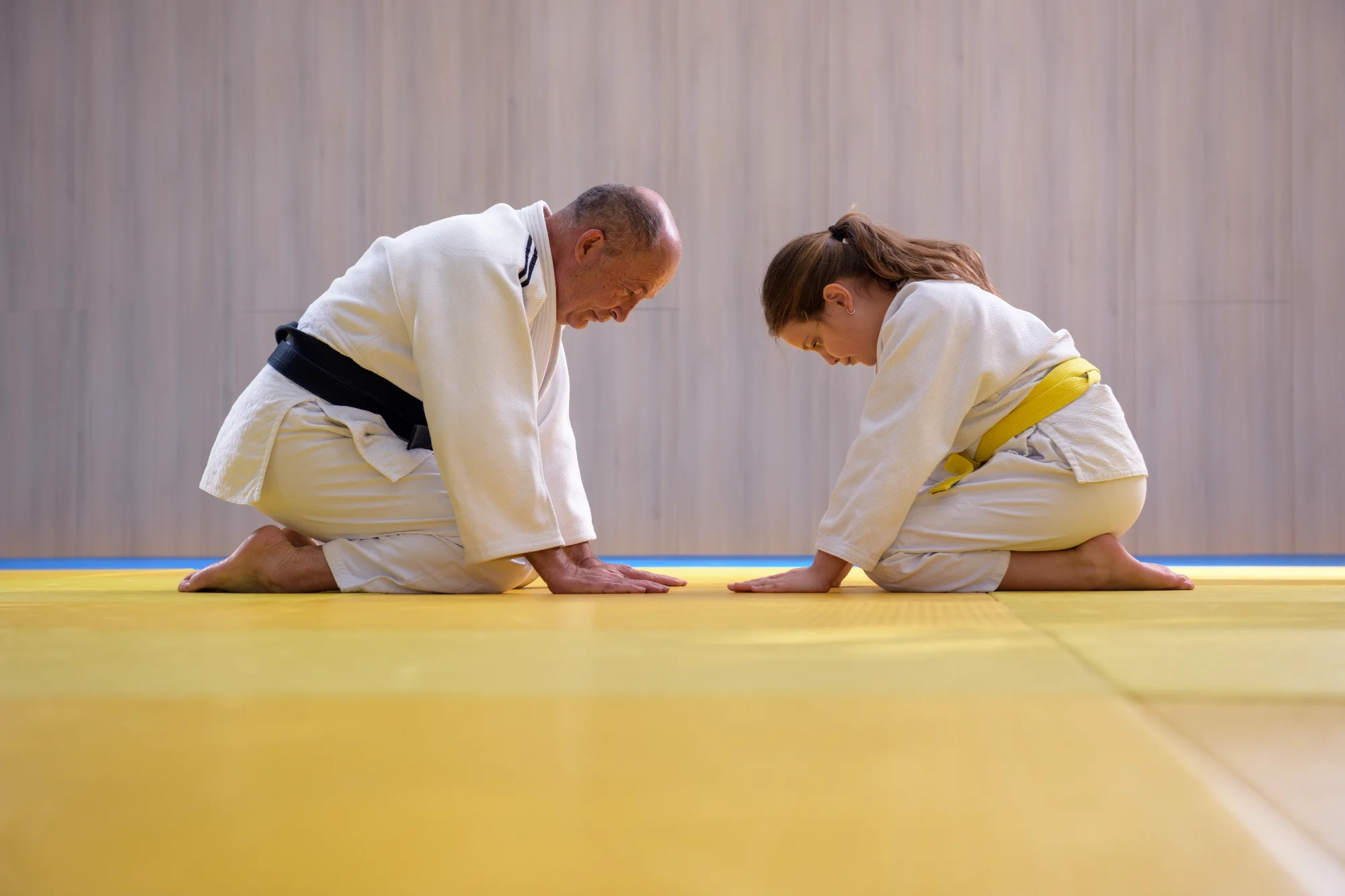
In karate, respect begins the moment students enter class. They bow as a sign of courtesy, listen when others are speaking, and treat instructors and classmates with consideration. These traditions have been part of martial arts for generations, but they are much more than customs. They remind students that learning happens best in an environment where people value one another.
Respect also influences how students approach their own learning.
A student who listens carefully to instruction demonstrates respect for the learning process. A student who accepts correction without becoming defensive shows respect for the instructor’s experience and guidance. A student who practices with care rather than rushing through a technique shows respect for the skill they are working to develop.
Respect becomes visible through actions.
Children also learn that respect extends to the people around them.
Every class includes students with different strengths, personalities, and learning styles. Some children learn new techniques quickly, while others need additional practice and encouragement. Karate teaches students to support one another rather than compare themselves with others. Encouraging a classmate, waiting patiently for a turn, or helping another student feel included are all examples of respect in action.
These moments help children understand that respect is not earned only by achievement or ability. Every person deserves to be treated with dignity.
This lesson becomes especially important as students advance through the belt ranks.
Higher-ranking students naturally become examples for younger children. They have opportunities to demonstrate patience, encouragement, humility, and self-control. Their behavior communicates just as much as their martial arts techniques. Younger students notice how they respond to correction, celebrate success, and treat those around them.
Respect is one of the qualities that gives leadership its credibility.
Children who are respectful are often better listeners. They become more open to learning because they value instruction and feedback. Instead of viewing correction as criticism, they begin to see it as part of the learning process. This mindset allows them to continue growing long after a single class or belt promotion.
The value of respect reaches far beyond karate.
Children who learn to listen carefully are better prepared to learn in school. Children who show kindness and consideration are more likely to build healthy friendships. Children who treat others with dignity contribute positively to their families, workplaces, and communities as they grow older.
Respect also strengthens relationships.
Every meaningful relationship depends on listening, honesty, patience, and consideration for another person. These qualities help children resolve disagreements, work effectively with others, and earn trust over time.
Parents often hope their children will become confident, responsible, and successful adults. Respect provides the foundation for many of those qualities. Confidence without respect can become arrogance. Leadership without respect can become control. Achievement without respect can lose sight of the people along the way.
Karate teaches children that strength and respect belong together.
The goal is never to become stronger than others.
The goal is to develop the character to use strength with humility, kindness, and self-control.
That lesson will serve children wherever life takes them.