

My Early Experience with Physical Education
When I think back on physical education as a child, what I remember most is how visible everything felt.
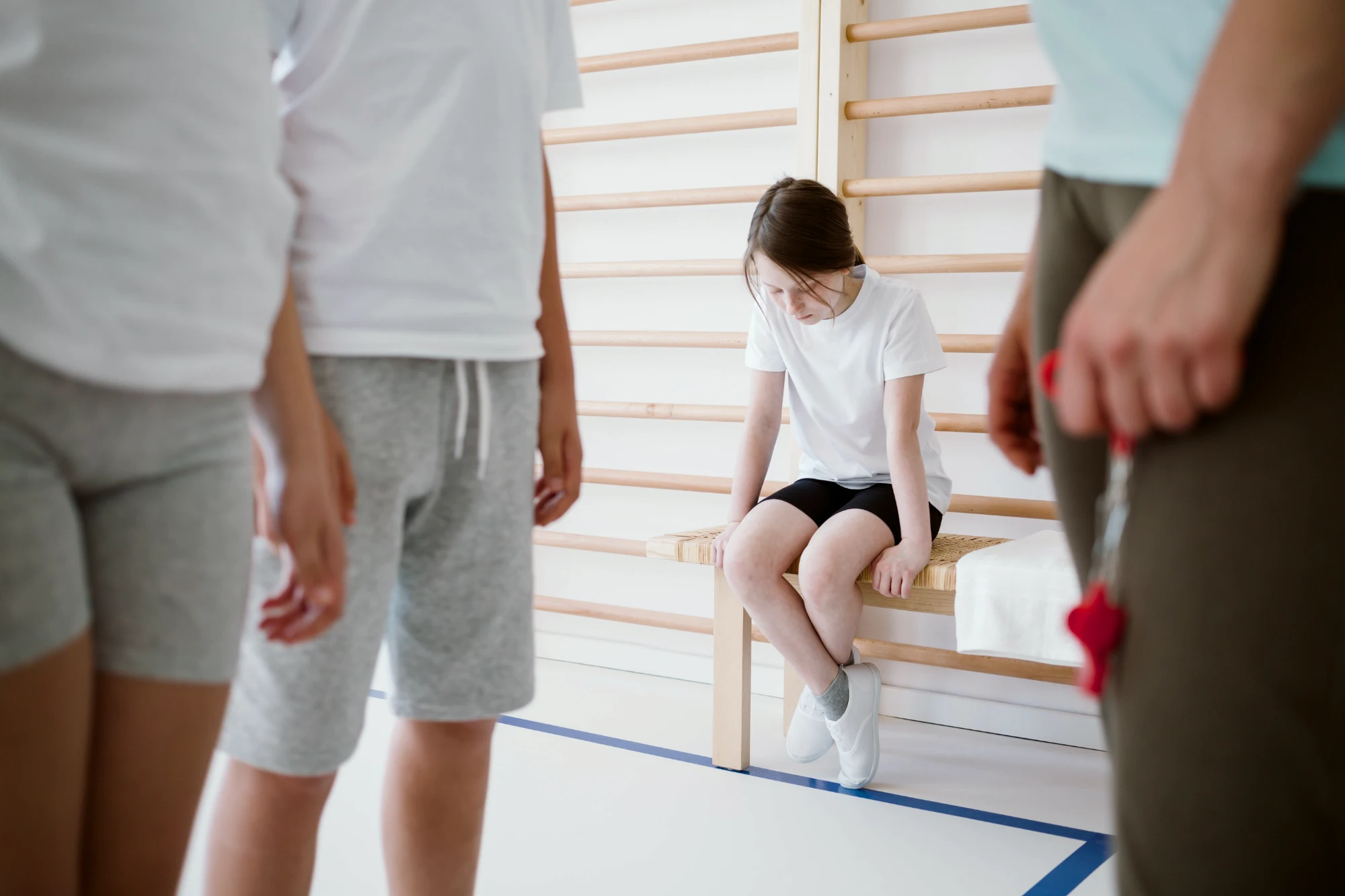
At the beginning of class, one of the strongest athletes would choose the boys’ team, while another selected the girls’ team. With about twenty-five children waiting, the order made it clear who was considered capable and who was not.
I was often chosen near the end.
As a child, I did not understand physical education as a subject in which I could learn and improve. I understood it as a place where the children who were already skilled were given the chance to demonstrate that ability.
Once the teams were formed, I often spent much of the class sitting on the bench. The children who played regularly gained more experience and became even more comfortable. Those of us who needed more practice had fewer opportunities to develop.
I remember how discouraging that felt.
It was not that I did not want to participate or improve. I simply did not know how to become better when so little of the experience was designed to teach me.
Years later, when I began teaching children through martial arts, those memories influenced the environment I wanted to create.
Children came to class with different levels of coordination, confidence, attention, and experience. Some learned a movement after seeing it once. Others needed additional explanation, more repetition, or time to feel comfortable enough to try.
I began to understand how important it was for instruction to meet children at their starting point and then guide them forward.
Physical skills can be developed. Balance can improve. Coordination can become more refined. A child who initially struggles to remember a sequence can learn it through patient instruction and consistent practice.
A child’s beginning does not need to determine the outcome.
Over nearly four decades of teaching, I have watched children discover this for themselves. The changes are sometimes easy to miss at first. A movement becomes more controlled. A child stays engaged a little longer. Someone who once hesitated begins to participate with greater confidence.
Gradually, children begin to see themselves differently.
They recognize that a skill that once felt difficult has become manageable. They learn that correction can help them improve and that practice has a purpose. Their growing confidence comes from knowing they have earned progress through their own effort.
Those experiences have shaped the way I think about physical education.
Movement and fitness matter, but children also need opportunities to learn physical skills in an environment where improvement is expected and supported. They need instruction that gives them a meaningful role in the learning process, regardless of how coordinated or confident they are when they begin.
My childhood experience showed me how easily a child can begin to feel that physical ability belongs to other people.
My years as an instructor have shown me something very different.
With guidance, practice, and time, children can become more capable than they first believed possible.
Physical education can help children develop physical competence while also strengthening focus, perseverance, self-regulation, and confidence.
Most of all, it can give children the experience of discovering that they are able to learn, improve, and take pride in their own progress.
It is time to rethink what physical education can accomplish.