

What Matters More Than Screen Time
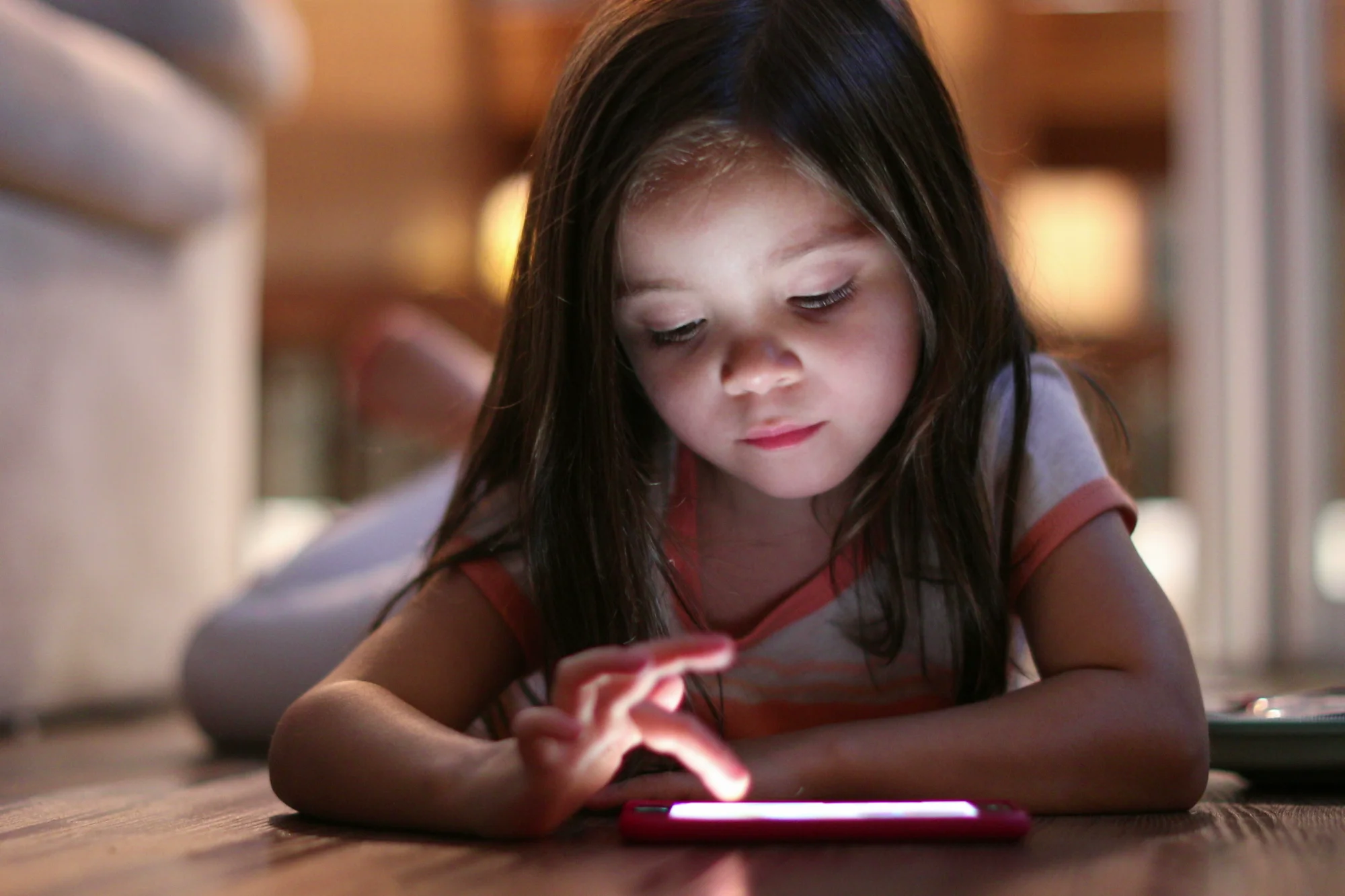
Few topics generate more discussion among parents today than screen time.
Articles warn about anxiety, attention, sleep disruption, and the influence of social media. Researchers continue to study how technology use affects children’s well-being, while parents are left trying to decide what deserves concern and what does not.
The conversation can become overwhelming quickly. Some discussions treat screens as inherently harmful, while others emphasize the educational opportunities technology can provide. A more useful question may be not only how much time children spend on screens, but what they are actually doing while they are there.
The Problem With Treating All Screen Time Equally
Imagine two children each spending two hours on a screen.
One spends that time creating digital artwork, learning to code, participating in an online class, or researching a topic that has captured their interest. Another spends the same amount of time scrolling through a stream of short videos selected by an algorithm designed to keep them engaged.
The amount of time is identical, but the experiences are not.
For many years, discussions about technology focused heavily on total hours. Time still matters, but researchers are paying more attention to the fact that different kinds of screen use may affect children differently.
Instead of asking only, “How much screen time?” it is worth also asking, “What kind of screen time?”
Looking Beyond the Screen
This distinction applies well beyond technology.
When children read a book, build a fort, learn an instrument, create artwork, solve a problem, or practice a new skill, they are doing more than filling time. They are developing abilities, working through challenges, and interacting with the world in ways that shape how they learn.
The same can be true of technology. A child creating something is engaged differently from a child passively consuming content. Solving a problem places different demands on a child than endless scrolling. Participating in an online class is different from watching entertainment designed primarily to hold attention.
Because all of these activities happen through a screen, it is easy to group them together. The experience taking place on that screen deserves more attention.
What Recent Research Is Finding
Research has added another layer to this conversation.
Some studies suggest that problematic or compulsive patterns of screen use may be more closely associated with negative outcomes than total screen hours alone. Researchers are also looking at sleep disruption, social media habits, compulsive use, and the extent to which screen use replaces other important parts of childhood.
That does not make the amount of screen time irrelevant. It does suggest that a single number cannot tell us everything we need to know about a child’s relationship with technology.
A Better Question
Parents have long been encouraged to ask, “How much screen time is too much?” That question still has value.
Another question belongs beside it:
What activities and experiences are filling my child’s day?
A child whose day includes creativity, relationships, movement, skill development, exploration, and meaningful challenges may have a very different relationship with technology than a child whose free time is centered primarily around digital entertainment.
Looking at the whole day gives parents more useful information than a screen-time total alone.
What Matters Most
The screen-time conversation will continue to change as technology changes. Research will continue to develop, and families will make different decisions based on their children, priorities, and circumstances.
What should not get lost in that discussion is the importance of experience. Children develop by trying, creating, practicing, interacting, solving problems, moving, and learning.