
How Skill-Based Movement Supports the Brain
Parents have long recognized that children benefit from movement. Physical activity supports strength, coordination, endurance, and overall health. Those benefits are important, but movement can also become part of the learning process when children are developing a new physical skill.
Skill-based movement asks children to think while they move. They have to follow instruction, remember what comes next, and make changes when something does not work the way they expected.
Running across a playground and learning a carefully sequenced movement pattern are both valuable, but they place different demands on a child. When a child is learning a new skill, they are paying attention to what they are doing and comparing each attempt with what they were taught.
Much of that learning is easy to see from the outside. A child becomes steadier, more accurate, or more controlled as the skill develops. What looks like physical improvement is also evidence that the child is processing information and making adjustments from one attempt to the next.
Physical skills develop gradually. Children need clear instruction, time to practice, and feedback they can understand. When correction is specific, they have something useful to work on instead of simply repeating the same movement and hoping it improves.
Research has also looked at the relationship between more complex movement and executive function. Learning a physical skill can require children to stay focused, remember directions, and adjust their response as the task changes. Those abilities are also important in academic learning.
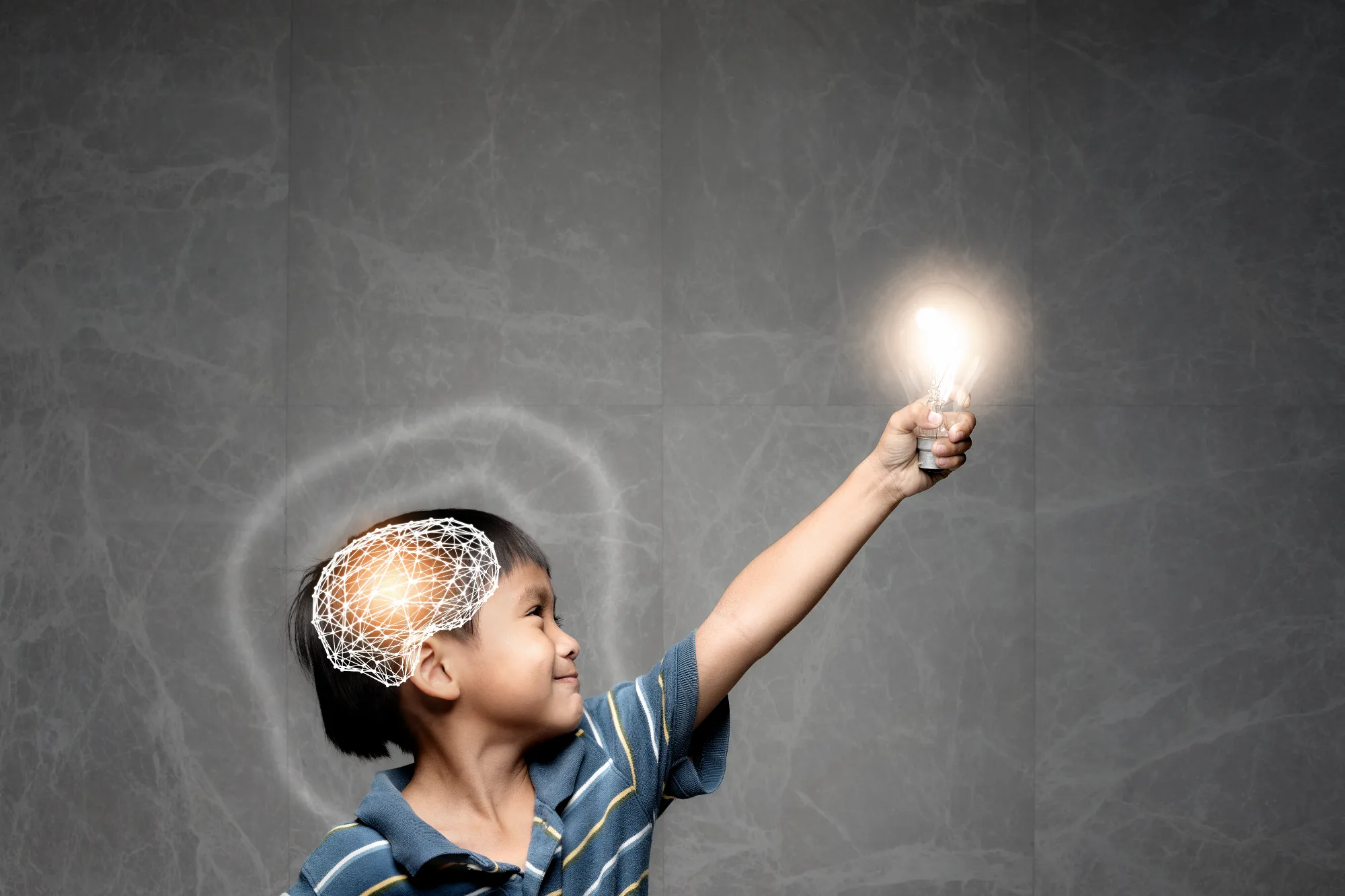
As children practice a new movement, they are doing more than repeating a physical action. They are remembering what they were shown, noticing what happened on the last attempt, and deciding what to change next. The body is moving, but the brain is continually involved in the process.
As the skill becomes more familiar, some of that effort becomes more automatic. That gives the child room to handle greater complexity, such as combining movements, responding more quickly, or adapting to a new challenge. This progression is part of what makes skill-based movement such a rich learning experience.
Children begin to understand how improvement happens. They learn that a difficult skill can become easier with practice and adjustment. They also become more comfortable with the idea that progress may take time.
That is one of the reasons I believe physical education can contribute to more than physical fitness. When children are learning skills through guided practice, movement becomes another setting in which they can experience how learning works.
They try, they adjust, and they improve. The progress is physical, but the learning reaches further.