
PE With a Purpose
The Guided Skill Method™
A structured approach to guided, skill-based physical learning.
Developed at Great Start Karate, The Guided Skill Method™ brings the principles of PE With a Purpose into our classes through guided, skill-based physical learning:
Listen → Try → Adjust → Practice → Progress
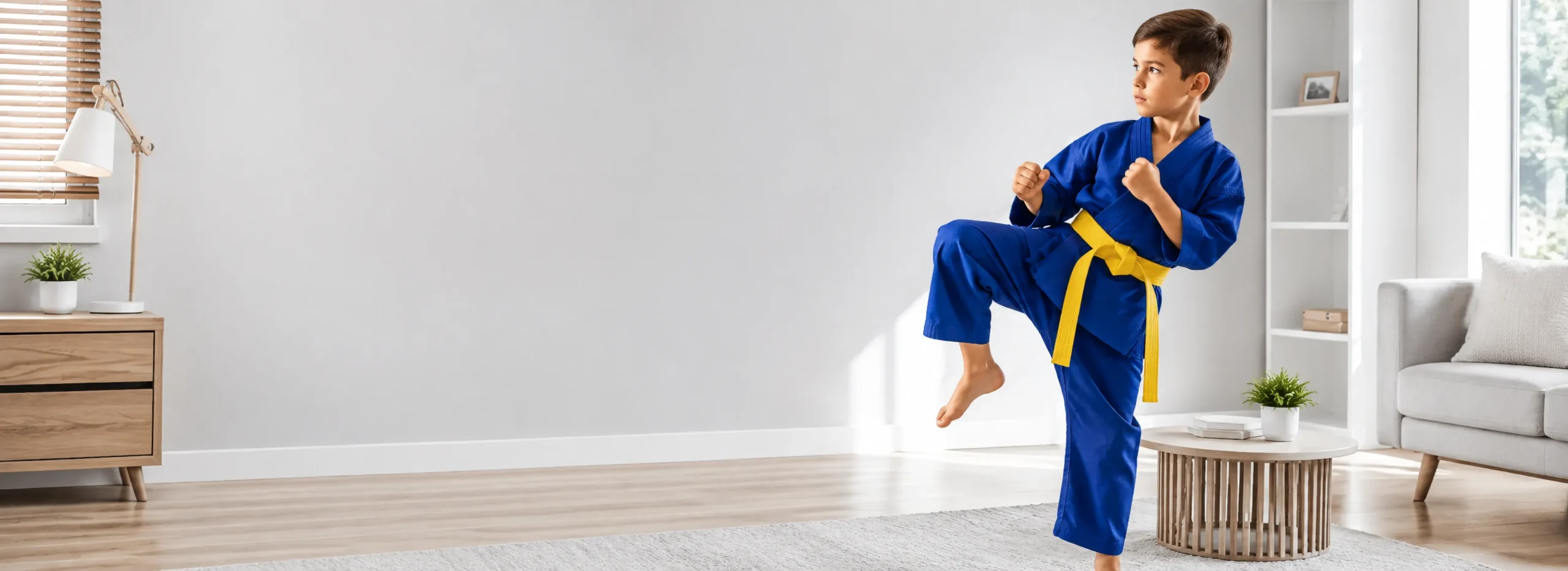
Karate gives children a wonderful opportunity to experience learning in a way they can see and feel. A kick improves. Balance steadies. A form begins to flow. As children see themselves becoming more capable, they experience the confidence and satisfaction that come from knowing, I’m getting better.
Listen
Learning Where to Focus
Every new skill begins with something to discover. Clear instruction gives children a comfortable place to start. They know where to focus, what to watch for, and can settle into learning without having to figure everything out on their own. Children begin to experience listening as something that helps them learn. Paying attention makes something new easier to understand—and gives them the confidence to take the next step and try.
Try
Room to Learn Without Judgment
Trying turns understanding into experience. Children have the opportunity to take what they have just learned and put it into action, knowing they are not expected to get it right the first time. As they try, the instructor can see what they understand and what guidance will help them move forward.
That freedom to try matters. When children are not worried about embarrassment, comparison, or proving their ability on a single attempt, they can focus on learning. They begin to understand that an unfinished skill is not a failure—it is simply a step in learning.
Adjust
Learning to Use Feedback
Adjustment is where feedback becomes part of learning. The instructor helps the child notice one specific change that can move the skill forward, then gives them the opportunity to try again with that new information.
Children begin to see mistakes as information about what to do next. Correction feels like help rather than criticism. That shift helps them stay engaged, respond to guidance, and continue learning with greater confidence.
Practice
Giving Improvement Time to Develop
Skill-based practice gives children repeated opportunities to return to the same work with a clear purpose. They are not simply repeating an activity; they are working on something specific, using feedback, and giving the skill enough time to develop.
As control and understanding grow, children experience for themselves that improvement is built over time—not rushed. Practice becomes the place where effort begins to turn into ability.
Progress
When Learning Becomes Visible
Progress is where learning becomes visible. A stance becomes steadier. A kick has greater control. A sequence begins to flow. Children can see and feel for themselves how practice has changed what they are able to do.
That visible growth connects effort to outcome. Children experience the satisfaction of recognizing their own improvement and begin to understand that ability can develop over time. The effort is visible. The progress is tangible. Confidence grows from something they have experienced for themselves: I am getting better.