
Why Guided Practice Matters
Practice is often described as the key to improvement.
Children hear it from parents, teachers, coaches, and instructors: Practice makes progress.
There is truth in that advice, but it tells only part of the story.
Practice alone does not always lead to improvement.
Children can repeat the same movement many times without becoming more skilled. They can unknowingly reinforce ineffective habits, become discouraged by a lack of progress, or begin to believe they simply are not capable of learning a particular skill.
The difference is not how much children practice.
The difference is whether their practice is guided.
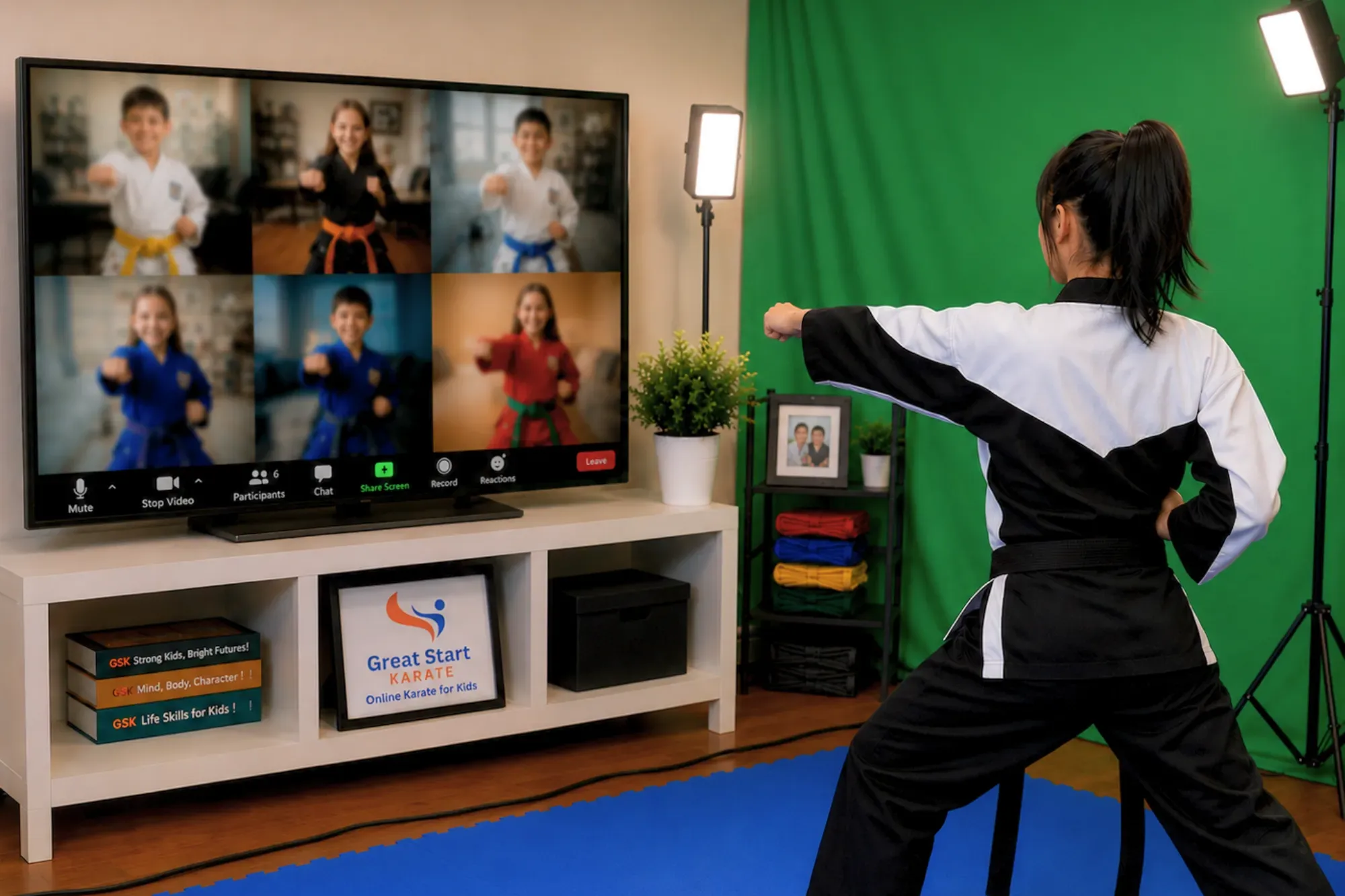
Guided practice combines instruction, observation, feedback, and purposeful repetition. Rather than asking children to repeat a movement until it eventually improves, the instructor helps them understand what to do, recognizes where they are struggling, and provides guidance that allows each attempt to become more successful than the one before it.
Learning becomes intentional.
Physical skills develop through the same fundamental learning process as other forms of knowledge: clear instruction, focused practice, meaningful feedback, and gradual refinement.
Children benefit from demonstrations that make a skill understandable, steps that match their readiness, and feedback that helps them recognize what to adjust. Each correction gives the child useful information for the next attempt, allowing movement to become more controlled, accurate, and efficient over time.
This is one reason thoughtful instruction matters so much.
A skilled instructor does more than demonstrate a technique. They observe carefully, recognize where a child is struggling, and provide guidance appropriate to that child’s current level of understanding. Sometimes that means simplifying a skill. Sometimes it means offering encouragement before introducing the next challenge. At other times, it means recognizing that a child is ready to move forward.
The goal is not simply to keep children moving.
The goal is to help children learn through movement.
Research in motor learning supports this approach. As children practice a new skill, the brain continually compares what the child intended to do with what actually occurred. Feedback allows those differences to be recognized and adjusted. Each repetition becomes an opportunity to refine both the movement and the learning behind it.
Progress develops through many small improvements.
Over time, children begin to recognize that improvement is not accidental. They experience the relationship between instruction, practice, thoughtful correction, and success.
That realization often extends far beyond physical education.
Children become more willing to attempt difficult skills because they understand they are not expected to master them immediately. They begin to view mistakes differently—not as evidence of failure, but as part of the learning process. They discover that improvement is rarely immediate, but it is achievable through persistence and thoughtful practice.
These are lessons that support learning in every area of a child’s education.
Parents often ask what distinguishes one physical education program from another.
One of the most important questions may be this:
Are children just being active, or are they learning through guided instruction and meaningful feedback?
That distinction reaches far beyond physical skill.
It influences how children approach challenge, respond to correction, and develop confidence in their ability to learn.
Every child deserves the opportunity to learn, improve, and take pride in their own progress.
It is time to rethink what physical education can accomplish.