

How Skill-Based Movement Supports the Brain
Parents have long recognized that children benefit from movement.
Children who are physically active often sleep better, have more energy, and develop greater strength, endurance, and coordination. These benefits are well established and remain an important reason physical education belongs in every child’s education.
In recent years, however, researchers have begun looking beyond physical fitness alone.
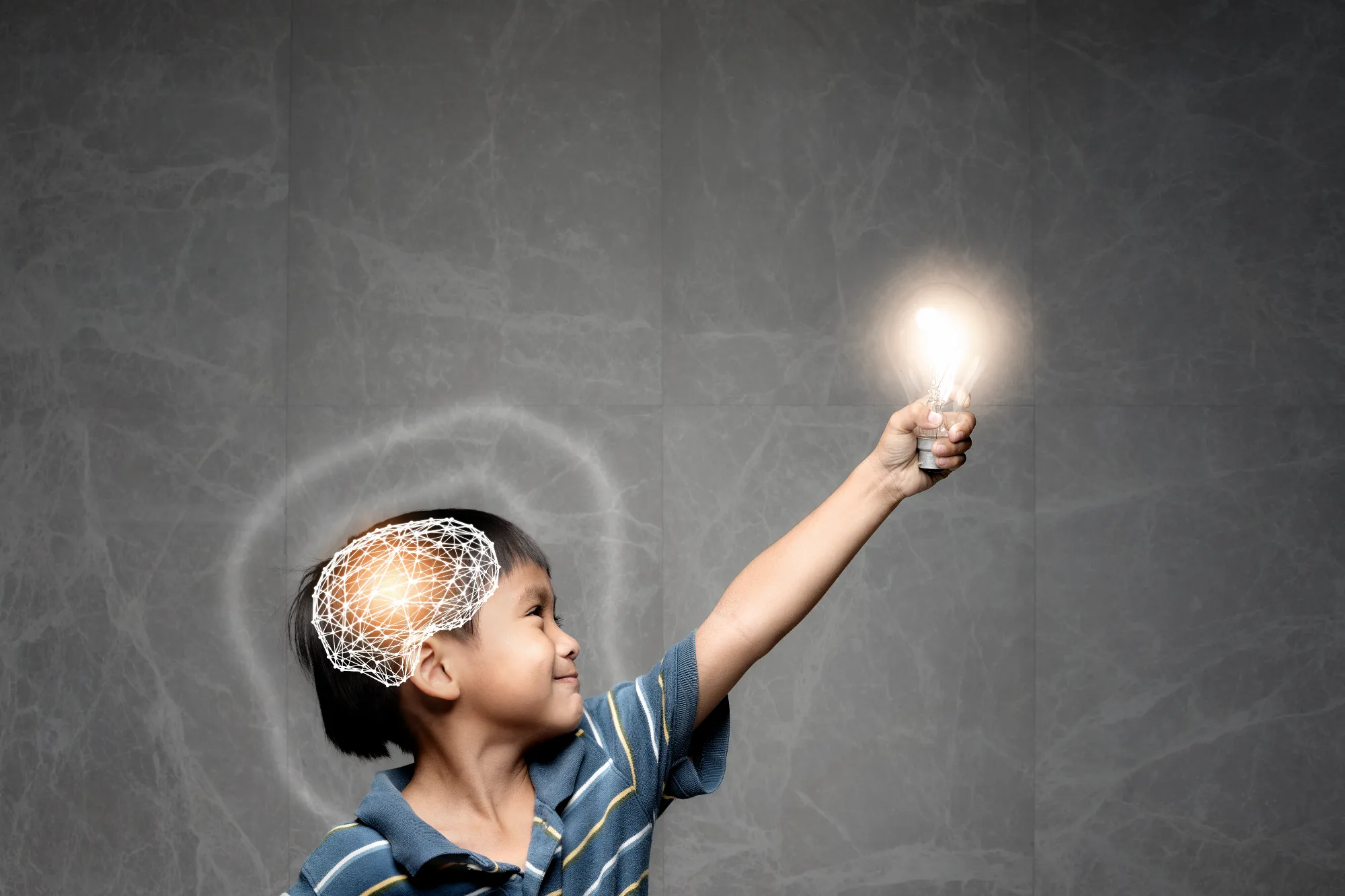
A growing body of research suggests that learning new movement skills also engages areas of the brain responsible for attention, planning, memory, self-regulation, and problem solving. In other words, movement becomes something more than exercise when children are actively learning through it.
This distinction matters.
Not every physical activity places the same demands on the brain.
Running across a playground and learning a carefully sequenced movement pattern are both valuable experiences, but they require different kinds of thinking. Activities that ask children to remember instructions, coordinate multiple movements, make adjustments, and improve through practice engage cognitive processes that support learning itself.
This is one reason skill-based physical education deserves greater attention.
When children are learning a new physical skill, the brain is continually receiving information, planning movement, monitoring performance, recognizing errors, and making adjustments for the next attempt. Every successful repetition reflects not only physical practice but also active learning.
Much of this process is invisible.
Parents may notice that a child’s balance has improved or that a movement has become smoother. What they do not see is the continual refinement taking place within the brain as those skills become more controlled and efficient.
Learning physical skills follows the same pattern as learning in other subjects.
Children build understanding one step at a time. Each new skill builds upon those that came before it. Progress is rarely immediate, but thoughtful instruction, guided practice, and meaningful feedback allow children to continue improving over time.
This process benefits more than physical performance.
Research suggests that learning complex movement patterns may also support executive function. Executive functions include abilities such as sustaining attention, controlling impulses, remembering directions, organizing information, adapting to new situations, and solving problems. These are the same skills children rely upon throughout their education.
When movement becomes an opportunity to think, solve problems, and develop new skills, children are exercising both mind and body.
The quality of instruction plays an important role in this process.
Activities that simply keep children moving certainly provide physical benefits. Activities that combine movement with thoughtful instruction, progressive skill development, and meaningful feedback provide opportunities for children to strengthen both physical skills and the mental processes involved in learning.
Children are not only becoming stronger, more coordinated, or more physically confident.
They are learning how to pay attention, follow increasingly complex directions, respond thoughtfully to correction, and persist when a skill requires patience and repeated effort.
These abilities extend well beyond physical education.
They influence how children approach learning, solve problems, and respond when something feels difficult.
The more we understand about how children learn, the clearer it becomes that purposeful physical education can contribute to far more than physical fitness.
Every child deserves the opportunity to learn, improve, and take pride in their own progress.
It is time to rethink what physical education can accomplish.